

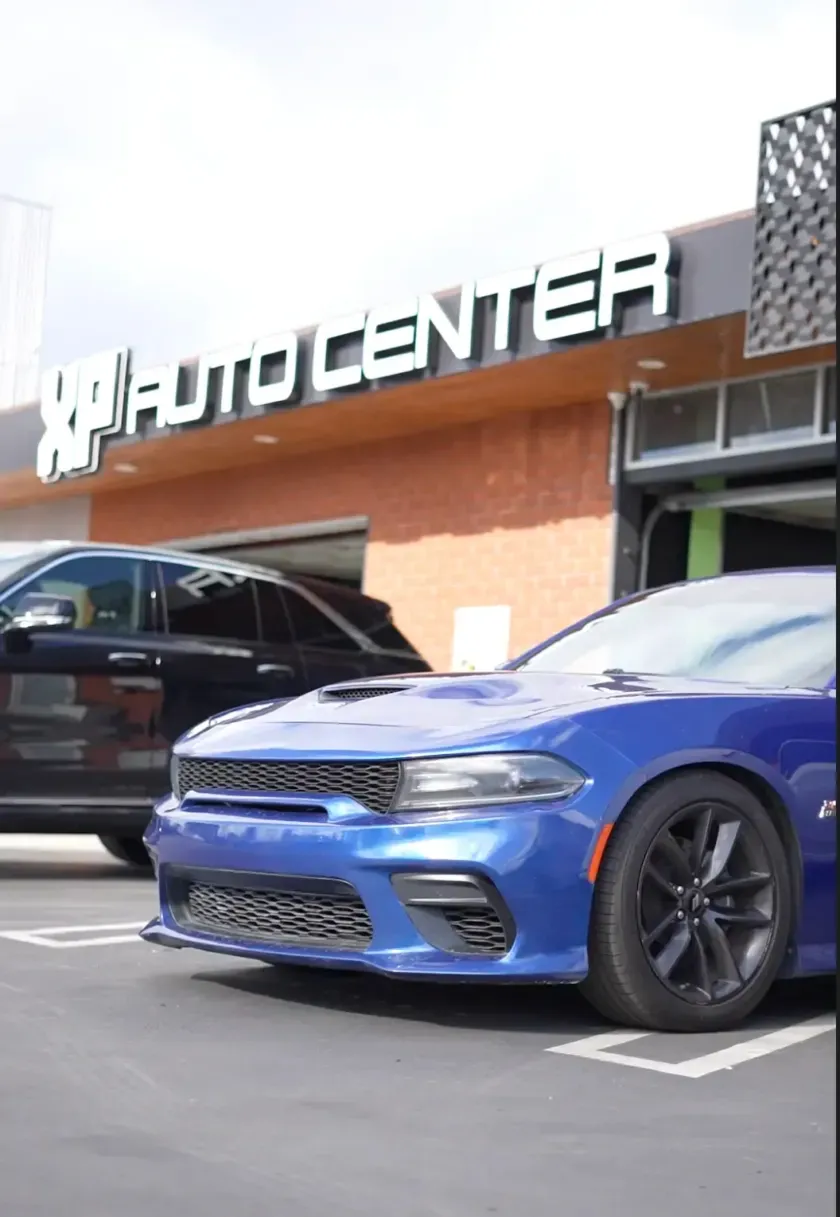
From dull to dazzling classic finishes
Turnaround times matter when a narrative of metal and colour is at stake. In the workshop, surface prep sets the tone. Rigid inspection catches small rust dots, and filler is sanded smooth with fine grit, not rushed. The painter chooses primers that bite into old chrome and bare metal, then builds colour in thin, controlled layers. Lighting is crucial; shop Classic Car Painting California bays with neutral lamps reveal flaws that would otherwise hide under gloss. For classic car painting California, the right combination means patience, a steady hand, and equipment that respects vintage lines. The goal is a finish that feels deeper with time, not a mere bright coat that fades in months.
Real world prep for long lasting paint
Preparation touches everything. Masking is exact, using blue tape that removes clean without pulling grain. Edges are sealed with edge-band tapes so leaks don’t creep, and panels are treated with rust inhibitors before primer. The base coat responds to humidity, so climate control is part of the plan. Sanding regimens vary by Car Auto Body Shop Near Me metal, with softer panels getting gentler passes. A competent car auto body shop near me balances speed with accuracy, ensuring primer surfaces are level and free from nibs. This care translates into fewer repaints and cleaner panel lines when light hits the car.
Choosing a local compatible shop for repairs
Local knowledge matters because each street has its quirks. A dependable shop for classic colours knows how heat affects finishes in summer and how cold nights can impact curing. They bring samples, comparing vintage hues with modern blends, so the shade notes stay true to the era. Customers appreciate transparent pricing, written timing estimates, and clear communication about any panel work. For a vehicle with cherished patina, the right shop blends restoration with preservation, ensuring any body work respects the original silhouette. The goal is a seamless look that blends past and present without shouting for attention.
Techniques that protect the paint job
Techniques evolve, yet the core rules stay simple: keep dust out, cool the air, and layer with care. Clearing coats are chosen for UV resistance, while waterborne systems cut fumes and speed curing. On vintage frames, blocking rids tiny waves that would show in a sunbeam. When masking large curves, the painter tests tension in the film so it doesn’t lift with heat. In the California market, finishes must brave sun, rain, and road grit alike, so scratch resistance and chemical bond matter as much as colour depth. The approach keeps gloss even across the entire car, even after years on the road.
Aftercare that keeps gloss longer
Care routines extend the life of a freshly painted classic. Washing with a soft mitt and pH-balanced shampoo prevents micro-scratches. When drying, a microfiber towel is gentle enough not to mar the finish. Occasional polishing with a light compound keeps the shine inviting, but over-polishing can fade edges and remove detail. Sealants and waxes that suit the paint type create a protective film against bird lime and tree sap. A solid maintenance plan reduces the likelihood of late-stage fix-ups, giving any keeper more weekends to enjoy driving rather than rebuilding the surface.
Conclusion
Owners chasing lasting appeal for a classic ride know that every choice matters, from the primer to the final clear. Classic Car Painting California is not a dash of colour but a careful craft that respects years of quiet stories under metal. The right studio balances traditional methods with modern safety and efficiency, yielding a finish that ages gracefully and turns heads in the sun. Regular care, smart storage, and timely polish sessions protect investment and mood alike, keeping the car ready for show or spontaneous weekend cruises. For those seeking a solid, transparent path, xpautocenter.com offers guides and options that align with durable expectations.