

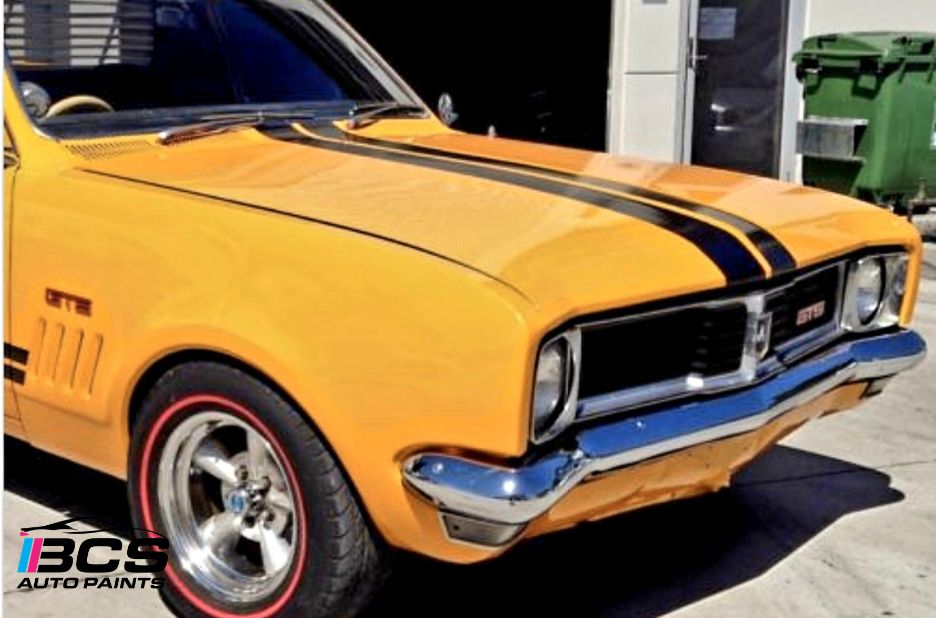
Understanding 2k finishes
For durable automotive and DIY projects, a solvent‑based two component coating provides superior hardness and chemical resistance. The term 2k spray paint refers to a system that requires a separate hardener to cure, forming a robust film once mixed and sprayed. Practitioners value the enhanced finish, especially on panels and trim, where 2k spray paint gloss and wear resistance matter most. Proper surface preparation, including cleaning, sanding, and priming, lays the groundwork for an even, high‑quality coat. Safety and ventilation must be considered, as these products release isocyanates during curing, which demand protective gear and a well‑ventilated space.
Choosing the right formulations
When selecting an option for a project, consider the substrate, climate conditions, and desired sheen. 2k spray paint systems vary in pot life, cure times, and compatibility with primers and topcoats. Colour matching can be accomplished with 2k touch-up paint established brands and careful shade mixing, ensuring a seamless colour across repaired areas. Always follow the manufacturer’s data sheet for mixing ratios and layering guidelines to avoid runs or solvent pop.
Application tips for best results
Apply in controlled bursts, maintaining a consistent distance from the surface to achieve an even spray pattern. Light, overlapping passes help prevent sagging, especially on vertical panels. Temperature and humidity influence drying times; cooler environments slow cure, while excessive heat can cause lacquer lift. Between coats, a brief tack time helps remove dust by creating a slightly tacky surface, ensuring adhesion without trapping particles. Cleaning and maintaining spray equipment after use protects sprayability for future jobs, extending the life of the tools.
Where 2k touch-up paint fits
For small repairs or colour matching on panels that already bear a 2k finish, 2k touch-up paint provides a convenient solution. These formulations mirror the original system’s performance, enabling precise colour maintenance and a seamless blend. Preparation remains critical: flat, clean surfaces and a feathered edge ensure the touched area refinishes uniformly. Practitioners often stock both base coats and clear coats so that the repaired section dries with the same gloss level as surrounding areas, preserving overall aesthetics. Proper ventilation and PPE are essential during application.
Maintenance and long term care
A well‑citted finish benefits from gentle cleaning and avoidance of harsh solvents on exposed surfaces. Regular inspection for micro‑scratches or hazing allows timely maintenance, and reapplication of a compatible clear coat can restore depth and protection. Storage conditions and exposure to UV light matter, as sun can dull colour over time. Record keeping of product batches, application parameters, and environmental conditions helps reproduce exact results on future projects. BC products and reputable suppliers play a role in achieving consistent outcomes, especially in repaired areas where uniform appearance is vital.
Conclusion
For ongoing refinements in coating techniques and reliable colour control, maintaining a meticulous workflow is essential. When tackling repairs or full panels, the balance between speed, durability, and finish quality determines long term satisfaction. Visit BCS Auto Paints for more practical insights and suggested products suitable for similar projects and finishes.