

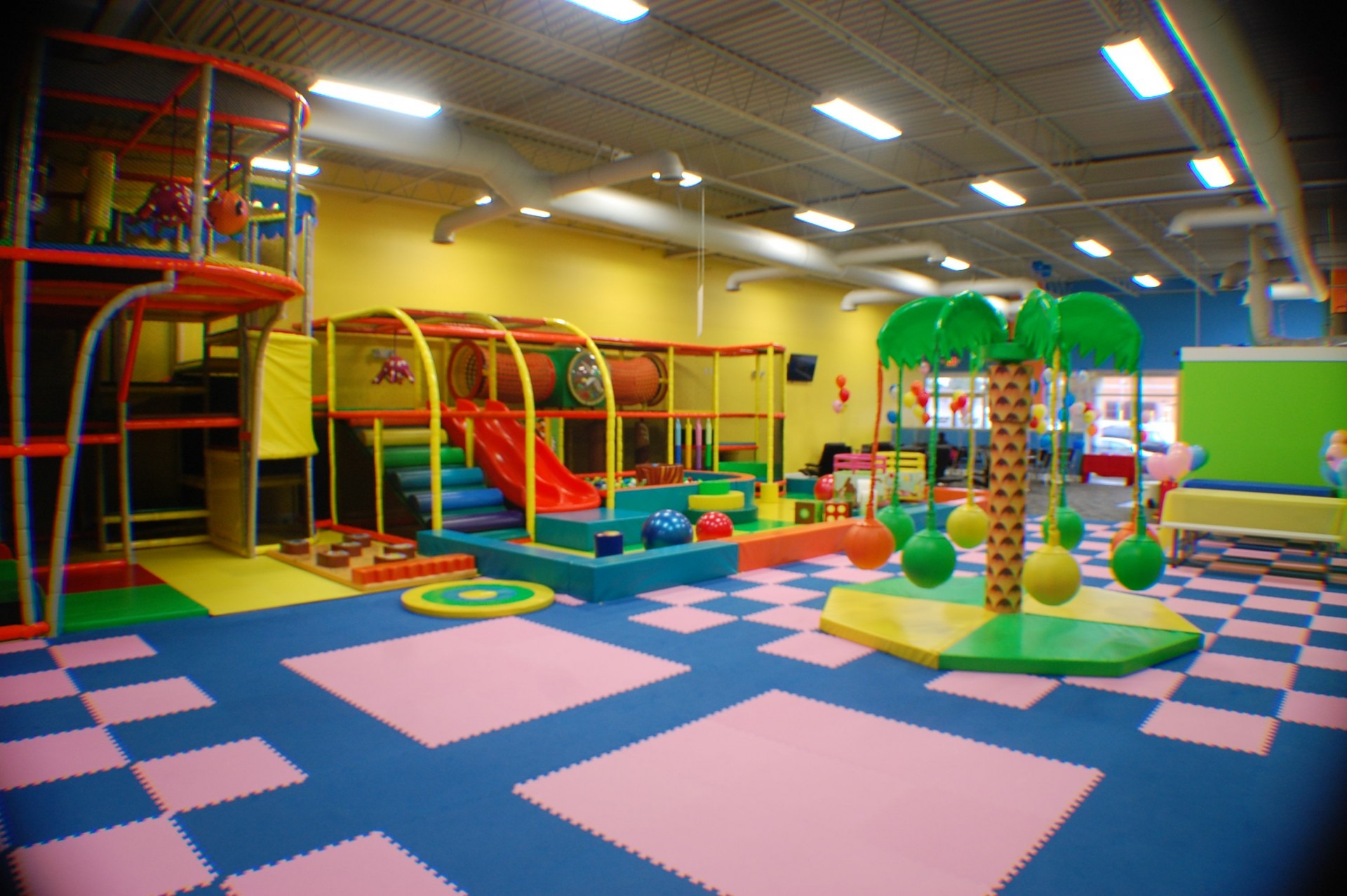
Play space design that invites families and brings in steady traffic
Selecting Commercial starts with understanding the space, not just the toys. Designers map out zones for active play, quiet corners for parents, and clear sightlines so staff can supervise easily. Robust safety standards guide every choice, from soft mats to rounded edges and accessible exit routes. Practical layouts Commercial fit high traffic aisles, storage for everyday wear and tear, and modular pieces that adapt as needs shift. This approach keeps kids delighted while preserving a calm, orderly environment for guardians. A thoughtful layout makes installations feel intentional rather than random clutter.
Durability and serviceability underline every good decision
When Indoor Playground Equipment is bought, it usually means years of use and regular tune‑ups. Heavy‑duty frames, sealed surfaces, and wipe‑clean fabrics cut down on maintenance costs. Vendors offer schedules for inspection, parts availability, and on‑site support when issues occur. The aim is to reduce downtime Indoor Playground Equipment during busy seasons and keep play areas safe after daily wear. Clients often prioritise simple bolts, accessible screws, and clear manuals for staff who aren’t specialists in construction. That practical stance protects the investment and ensures consistent play experiences.
Safety first: standards, audits, and responsive governance
Behind every successful project lies a well‑fledged safety plan tied to real‑world checks. Commercial Indoor Playground Equipment choices reflect slip resistance, fall zones, and age‑appropriate challenges. Regular audits verify height restrictions, protective netting, and emergency stop points. Operators set routines for cleaning, sanitising, and defect reporting so issues are caught early. A strong safety culture translates into fewer incidents, higher confidence from parents, and longer visits from curious children who explore, not risk, the equipment they trust.
Engagement through varied play styles and modular builds
Indoor Playground Equipment can shine when it embraces variety. Builders mix climbing frames with imaginative play pods, splashy water tables, and soft obstacle runs that suit different skill levels. Modularity lets venues refresh scenes without a full rebuild: swap panels, swap rugs, or add a light tower for evening sessions. Operators look for pieces that invite social play yet offer solo focus zones. The best setups encourage kids to test balance, problem‑solve, and move with purpose, all while feeling safe and supported by sturdy construction.
Vendor partnerships that grow with a venue
Choosing Commercial Indoor Playground Equipment involves more than a single purchase. A reliable supplier serves as a collaborative partner, offering design input, site surveys, and scalable options for demanding calendars. Clear warranties, timely delivery, and transparent cost breakdowns reduce friction. Venues often benefit from phased installations that align with lull periods, allowing staff to learn new systems before peak times arrive. Good partnerships result in smoother launches, steady maintenance, and a playground that evolves with community needs.
Conclusion
Ambient factors shape how a play space feels long after the toys are in place. Thoughtful lighting highlights activity zones while avoiding glare that tires young eyes. Sound dampening materials keep conversations pleasant and gate alarms unobtrusive. Clear signage directs visitors, easing queue management for popular features. The best setups blend visual cues with tactile cues, guiding little explorers while keeping staff free to focus on safety and quick check‑ins. A well‑balanced atmosphere boosts dwell time and returns without shouting over the noise of jumping feet.