

Before You Call: Quick Safety and Setup Checklist
When you notice slow cranking, dim headlights, or a dashboard warning, start with safety. Move your vehicle to a safe spot when possible and turn on hazard lights to alert other drivers. Keep a battery replacement distance from traffic and avoid standing in puddles or near spilled fluids. If you’re unsure whether it’s a mechanical issue, treat it as an electrical problem and proceed carefully.
Next, gather the essentials so the roadside team can help faster. Write down the make, model, and year, and note any recent changes such as new accessories or a prolonged parking period. Check for obvious signs like a loose battery hold-down, cracked casing, or corrosion around the terminals. If you have jump leads or a portable power unit, confirm they’re rated for your vehicle type before attempting anything.
Battery Diagnosis Steps to Avoid Unnecessary Work
A reliable service approach begins with a structured diagnosis. Start by observing the symptoms: a completely dead vehicle points to power delivery issues, while intermittent failure may indicate a loose connection. Inspect the battery terminals for corrosion and verify that cables are firmly seated. If the battery is older and the warning lights appear repeatedly, it’s often time to consider a full service rather than repeated jump attempts.
Then check related factors that can mimic a weak battery, such as a bad ground connection or a charging system fault. Turn on accessories like the interior lights and check whether they fade quickly when you attempt to start. If your vehicle has a multimeter, a quick voltage check can reveal whether the battery is below a workable range. If you don’t have testing tools, a professional technician can perform load testing and confirm whether the problem is truly from the battery.
What to Expect During Battery Replacement Service
Once a technician arrives, the process should follow a clear order. They typically inspect the battery condition first, confirm the correct size and specifications, and verify the cables and connections. If your vehicle uses a smart charging system, they will also check for battery management requirements before disconnecting anything. Clear communication matters, so ask what they’re testing and why, especially if the symptoms are inconsistent.
During the actual replacement work, the technician will secure the battery correctly and ensure the hold-down matches the manufacturer’s specs. They will clean or address any corrosion at the terminals to prevent poor electrical contact. After installation, they should check the fit, confirm cable routing, and verify that nothing is pinched near moving components. Finally, they’ll perform a post-service check so the vehicle starts reliably and the charging system functions as expected.
Driver Checklist: Tools, Information, and Safe Practices
Before roadside help arrives, keep your plan simple and organized. If you have proof of purchase for prior service, keep it handy, along with any warranty paperwork. Photograph the battery area and the terminal condition so you can share details with the service provider. Avoid removing covers or trying to force parts into place, because improper handling can damage wiring or battery components.
For safety, do not smoke or use open flames near the battery, and wear eye protection if you’re doing any light inspection. If you attempt to connect a jump source, follow the cable polarity instructions precisely and keep clamps from touching each other. Never crank the engine repeatedly in quick succession, because repeated attempts can worsen battery strain and increase the chance of further failure. Instead, wait for professional guidance when symptoms suggest a deeper electrical issue.
Conclusion
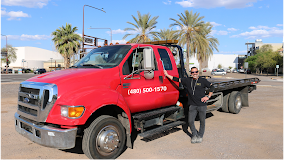
Using a checklist-style approach helps you move from confusion to a clear plan, which is especially valuable during roadside emergencies. From safety setup and basic inspection to professional diagnostic steps and proper installation, each phase reduces guesswork. When you verify symptoms and share accurate vehicle information, service teams can work more efficiently and return you to the road with greater confidence. Gizzo’s Global Towing Services supports drivers with fast, professional assistance across Arizona, including Chandler and surrounding areas. Their roadside expertise covers towing, fuel help, tire changes, and jump starts, along with battery services when you need reliable power restored. Keep this checklist handy so you can respond calmly, protect your vehicle, and get the right help as quickly as possible.