

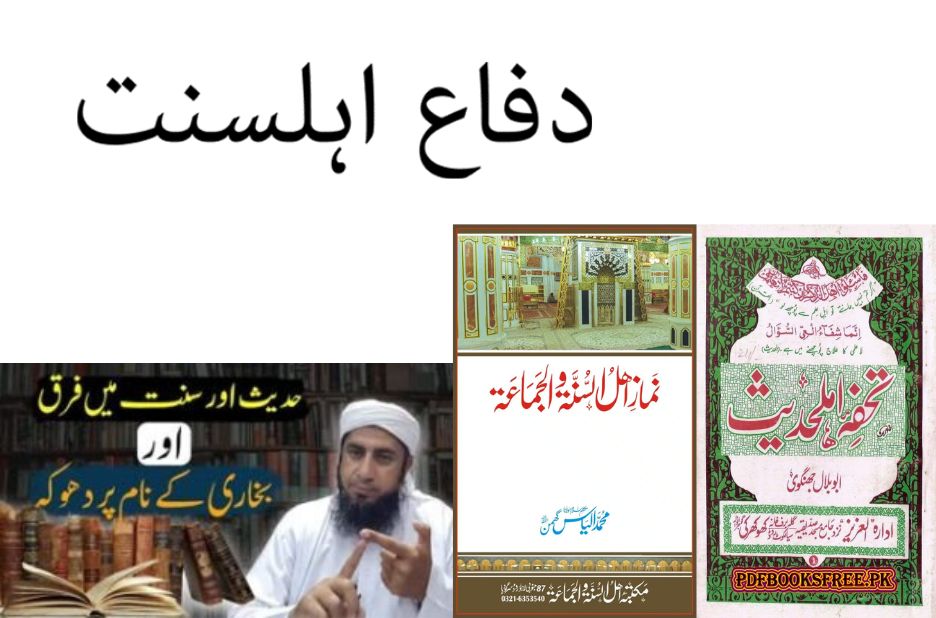
Overview of contemporary discourse
In discussions around modern religious thought, the name fitna javed ghamadi often appears as a reference point for debates about interpretation and authority within the community. Readers should approach such topics with a critical mindset, distinguishing between personal opinions and established theological fitna javed ghamadi baselines. This section is aimed at laying out the landscape of conversations without endorsing any single perspective, encouraging readers to examine sources, the track record of scholars, and the historical context that shapes contemporary discourse.
Historical background and influences
Examining the historical development of ideas linked to fitna javed ghamadi helps illuminate why certain arguments resonate with audiences today. By tracing influences, one can better understand how interpretations have evolved, including how cultural factors, language, and soorah fatiha access to traditional texts contribute to differing viewpoints. The goal is to build a nuanced picture rather than a binary verdict, appreciating the complexity of interpretations that have circulated over time.
Key texts and reference points
Scholars frequently cite primary sources and commentaries to support or challenge claims attributed to fitna javed ghamadi. It is important to evaluate the reliability of these references, assess the authenticity of cited passages, and consider the scholarly consensus where it exists. Readers should seek translations and annotations from reputable experts to avoid misinterpretation of nuanced terms and concepts.
Relating to Soorah Fatiha in practice
Soorah fatiha occupies a central role in daily practice and liturgy for many communities. When engaging with debates surrounding fitna javed ghamadi, it helps to reflect on how reverence for this text informs ethical decisions, communal norms, and personal devotion. A careful reader recognises that reverence for soorah fatiha can coexist with diverse scholarly opinions about interpretation and application in modern contexts.
Balancing study with credible sources
To form an informed stance, seek diverse, credible resources that compare perspectives, highlight methodological rigor, and acknowledge uncertainties. Critical reading, cross-checking the claims, and consulting established commentaries can prevent overreliance on single narratives. This balanced approach supports thoughtful engagement with sensitive topics while maintaining respect for differing beliefs and practices.
Conclusion
Engaging with sensitive debates requires patience, critical reading, and a commitment to accuracy. By exploring the historical context, examining primary sources, and considering how soorah fatiha informs practice today, readers can navigate these discussions more effectively. Visit Difaah Lesunnat for more resources and balanced insights on related topics.