

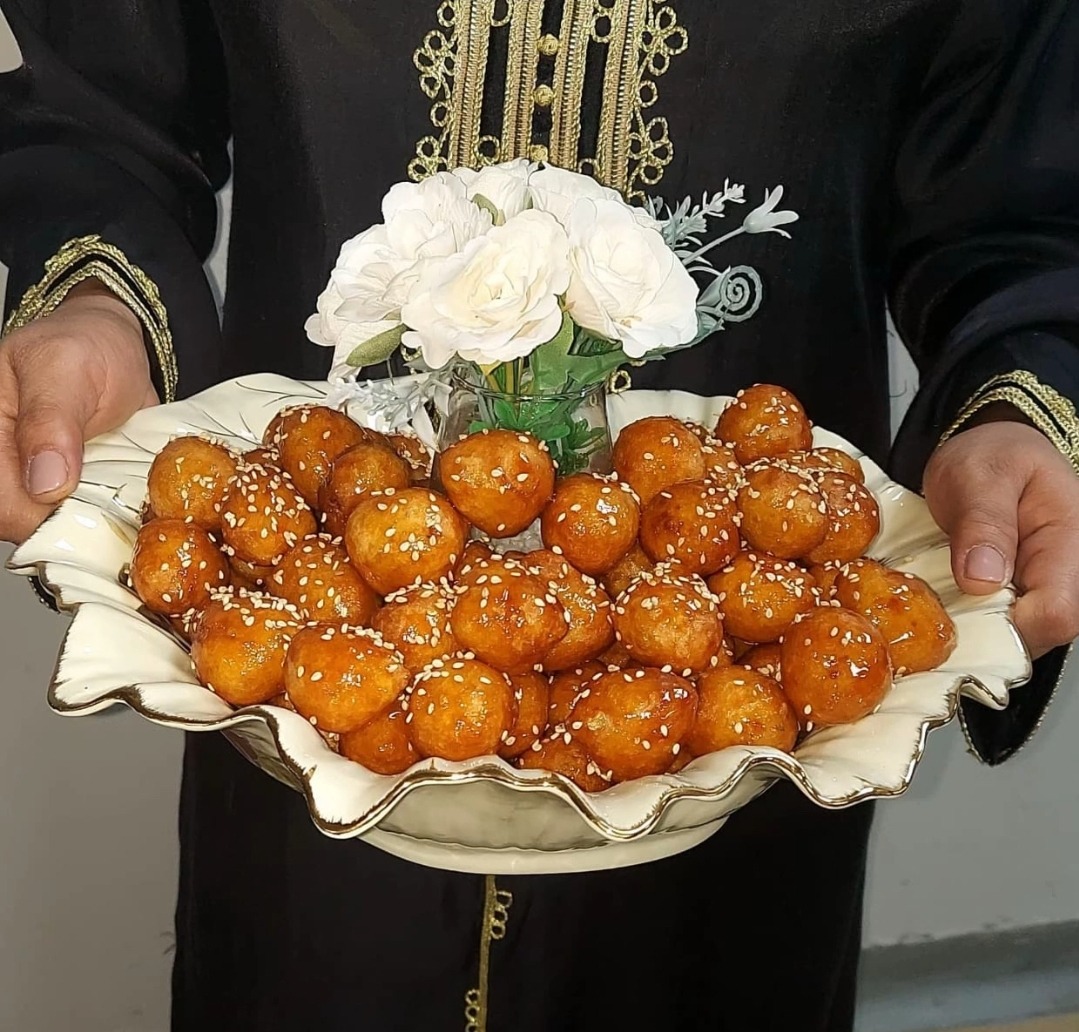
Overview of Emirati traditions
In many UAE communities, hospitality is rooted in sharing meals that showcase local ingredients, aromatic spices, and time honoured techniques. A well structured Emirati traditional food service focuses on presenting dishes with warmth, ensuring guests feel welcomed from the moment they walk in. Typical service areas highlight Emirati traditional food service a balance between elegance and everyday ease, making guests feel at home while preserving cultural integrity. This approach supports hosts who want to honour ancestral recipes while adapting to contemporary settings, especially in venues that blend heritage with modern comfort.
Key service practices in Traditional UAE food service
Professional teams prioritise attentiveness, clear communication, and meticulous portion control. Menus are designed to reflect seasonal availability and regional specialities, and service staff are trained to describe dishes with simple, authentic language. Clear pacing between courses helps Traditional UAE food service guests enjoy textures and flavours, from fragrant starters to hearty mains. Maintaining warm, discrete service ensures the focus remains on the food and the shared dining experience rather than on flashiness.
Ingredients and techniques shaping the experience
Common ingredients include fragrant rice, tender lamb, date syrups, and dried limes, all prepared with careful handling to preserve authentic profiles. Traditional cooking methods such as slow braises and open-fire grilling contribute depth of flavour. In a high quality service setting, presentation emphasises communal diners and generous platters, inviting guests to partake in a social ritual that emphasises hospitality, conversation, and the joy of eating together.
Practical considerations for venues and staff
Organisations investing in traditional service values should train teams in cultural etiquette and dietary awareness, ensuring options for different tastes without compromising authenticity. Logistics like timing, table layout, and equipment readiness play a crucial role in delivering a smooth dining experience. By prioritising cleanliness, comfortable seating, and thoughtful serving ware, venues create an environment that respects tradition while remaining accessible to families and visitors from varied backgrounds.
Midpoint cultural touchstone
In many settings, hosts invite guests to share stories about food, family recipes, and regional customs. This conversational approach enhances the meal, turning dinner into a moment of cultural exchange. The service ethos emphasises generosity and respect, with staff ready to adapt to guest needs while preserving the integrity of each dish and its origins, contributing to a memorable visit.
Conclusion
Embracing Emirati traditional food service means valuing hospitality, clarity, and thoughtful menu design that honours regional flavours. For operators, the focus is on consistent, respectful service that helps guests feel at home and curious to explore more. Visit UMM Asma hospitality for more ideas on traditional dining experiences and related insights.