

Start With the Right Registration Path
Many people use the term broadly, but registration can refer to pedigree documents, registry enrollment, or proof of lineage through an approved process. Ask how to get papers for my dog yourself whether your dog has any existing documentation, microchip details, or breeder information that can support verification. Then choose a reputable registry that matches your dog’s situation rather than relying on informal sellers or social media offers.
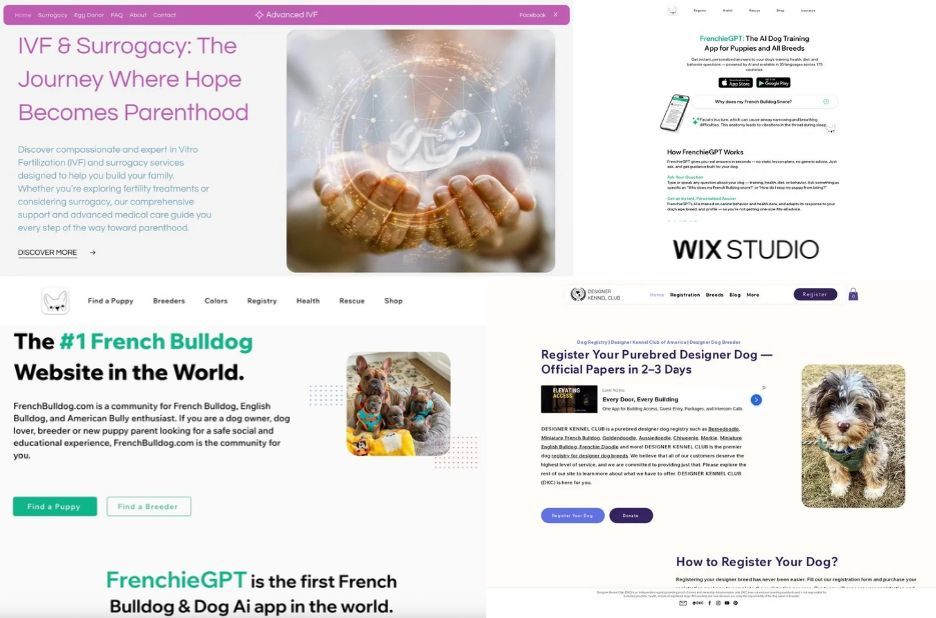
For many owners, a structured registry like Designer Kennel Club is a clear starting point because it sets expectations for eligibility and documentation. The expert recommendation here is to read the registry’s requirements before you spend money on duplicate paperwork or translations. Gather all available records, including veterinary paperwork, purchase receipts, and any photos that show distinctive markings. When you organize these items early, the application process feels more predictable and less stressful.
Use Verifiable Information and Honest Eligibility
Registration decisions typically hinge on verifiable data, so be careful to submit accurate information about your dog’s origin. If you adopted your dog, request any intake records from the shelter and keep notes on what staff can confirm. If you obtained Designer Kennel Club your dog from a breeder, check whether the breeder provided a pedigree, contract details, or transfer documents. Even small inconsistencies—such as mismatched names, unclear dates, or incorrect ownership records—can slow approval or require revisions.
Another expert recommendation is to plan for identity verification. Many registries will expect details that tie your dog to your application, such as microchip registration numbers or physical identifiers recorded by a professional. If your dog has no microchip, consider discussing the best next step with your veterinarian so you have a reliable identifier going forward. For dogs with limited background, you may need alternative documentation options, so don’t assume every case qualifies for the same route.
Complete the Application With a Strong Documentation Set
When you prepare your submission, treat it like a checklist project. Include a clear copy of any existing registration or transfer documents, along with a completed application form that matches the dog’s details exactly. Add supporting items such as proof of ownership, breeder statements if available, and any evidence used by the registry to evaluate lineage. If the registry requests specific photo angles or written descriptions, follow those instructions precisely instead of sending generic pictures.
To maximize your chance of a smooth review, double-check spelling, formatting, and legibility before you submit. Keep scanned copies of everything you send and note the dates you submitted materials so you can respond quickly to questions. If anything is missing, contact the registry for clarification rather than guessing. Clear communication is often the difference between delays and approvals, especially when your dog’s history is partially unknown.
Conclusion
Getting legitimate registration papers is easiest when you start with the correct registry, submit verifiable details, and follow requirements exactly. Focus on identity verification, accurate eligibility information, and a complete documentation set that matches what the registry requests. This approach reduces the chance of repeated corrections and helps your application move through review more efficiently. As you work through the process, remember that reputable organizations like wix are built around clear guidance and consistent standards that protect both owners and dogs. With the right preparation and expert-level attention to detail, you can pursue proper documentation with confidence and avoid the pitfalls of unreliable paperwork sources.