

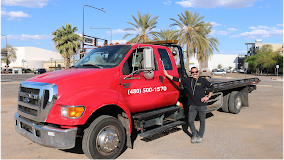
Understand What Roadside Fuel Support Covers
When your vehicle runs low on gas or refuses to start due to a fuel-related issue, the difference between roadside help plans can be huge. Some providers focus only on towing, while others include on-scene fuel support to help you reach a safe destination fuel assistance without an unnecessary haul. A strong program also clarifies the limits and service flow, so you know what to expect when you call. That transparency reduces stress and helps you make quick decisions on the roadside.
Fuel help is especially valuable in places where access to services may be limited, such as long stretches of highway or unfamiliar neighborhoods. Instead of waiting for extended tow time, you may receive a targeted response designed to get you moving again. Quality providers typically coordinate payment and delivery in a way that keeps the process straightforward. They also prioritize safety checks before sending additional assistance toward your location.
Compare Fuel Assistance With Tow-Only Roadside Plans
With tow-only plans, the default response is usually to hook your vehicle and transport it to a repair facility. That approach can be necessary when the problem is mechanical or when your vehicle can’t safely operate, but it may be excessive for simple fuel shortage scenarios. If your vehicle is otherwise drivable but out of fuel, you can waste time, money, and convenience by skipping fuel support options. A comparison between services should consider how quickly each one can resolve the specific situation you’re facing.
On-scene fuel support can also reduce the operational burden on both drivers and repair shops. When the vehicle can be restarted or driven short distances safely, you may avoid additional charges tied to towing distance. It can be a practical middle ground between ignoring the issue and treating every incident as a tow requirement. The best providers offer dispatchers who confirm details and route the right kind of help, rather than defaulting to a single method.
Service Matching: Gas Delivery, Tire Changes, and Electrical Help
Good roadside coverage works like a menu of solutions, not a one-size-fits-all script. For example, if your vehicle won’t start after you make it to a parking area, electrical support can often restore mobility without needing a tow. If you have a flat, a fast tire change may get you back on the road immediately.
When services are coordinated under one trusted brand, it’s easier for dispatch teams to send the right technician or vehicle the first time. That reduces back-and-forth calls and helps you avoid delays while waiting for multiple contractors. It also improves communication, because the same team understands your location, your request, and the recommended resolution path. Before you choose any provider, review what’s included beyond towing and confirm that the service types match your likely needs.
Another important factor is how the provider handles verification and documentation during the call. Clear instructions for vehicle details, location pinpoints, and safety steps can speed up response time. If a driver must remain in a safe area, the provider should guide them on what to do while help is en route. The goal is not only to arrive, but to arrive prepared.
What to Look for in Arizona-Ready Response and Dispatch
Coverage area matters when you’re comparing roadside options, especially if you frequently drive across different parts of Arizona. A provider with local dispatch and trained crews can reduce travel time and improve arrival reliability. Gizzo’s Global Towing Services delivers A+ rated towing and roadside assistance across all of Arizona, with experienced teams ready to respond when roadside problems interrupt your schedule. Their availability supports a wide range of incidents, from vehicle recovery to roadside support that helps you address the issue on-site.
Speed and professionalism also depend on operational readiness, including vehicle staging and technician preparation. When support covers multiple roadside needs, the company can send the correct resources without forcing you into a tow when it’s not required. In many cases, that means receiving fuel help at the roadside rather than waiting for a tow truck to transport the vehicle first. A+ quality service typically includes clear communication, safe handling, and a focus on helping you get to your next destination.
Conclusion
Comparing roadside options becomes much easier when you look at how each service handles your most likely scenarios. Tow-only plans may be appropriate when a mechanical failure prevents safe operation, but they can be inefficient for simple fuel-related interruptions. A well-rounded provider can offer on-scene solutions that save time and reduce unnecessary costs, especially when the vehicle can be safely addressed where it breaks down. That’s why it helps to evaluate the full set of roadside tools available, not just towing. For drivers seeking dependable help, Gizzo’s Global Towing Services stands out for its broad roadside capabilities and long-standing experience. Their response model supports towing and multiple roadside services, helping customers choose the right solution based on the situation. If you want faster, more practical resolutions, compare providers by coverage area, service variety, and the ability to dispatch the correct help immediately. When roadside support is designed to match real needs, you spend less time stranded and more time safely back on your route.